Explainer Rent · bounced rent payment
Bounced Rent Payment in Canada in 2026: What the $10 NSF Cap Changes
Banks can no longer charge more than $10 when rent bounces, but landlord fees and credit risk remain.
 Rent
A bounced rent payment now costs Canadian tenants far less at the bank. Since March 12, 2026, banks can charge no more than $10 for a non-sufficient funds (NSF) fee on personal accounts, down from about $45 to $48. Your landlord can still add a fee, and unpaid rent can still reach collections.
A bounced rent payment happens when a cheque or pre-authorized debit (PAD) is declined because your account is short. This guide covers what the new cap changes, what landlords can still charge in Ontario, British Columbia and Quebec, and when a missed payment can touch your credit report. It is written for renters who pay by cheque or PAD, and for anyone who has been a few dollars short on the first of the month.
realmilitaryflix covers money and renting in Canada, so we focus on the rules a tenant is most likely to meet. This is general information, not legal or financial advice.
What does the $10 NSF fee cap change for a bounced rent payment?
The cap limits what your bank can charge when a rent cheque or PAD is declined. It applies to personal deposit accounts at banks. The fee can be no more than $10, no NSF fee applies when you are short by less than $10, and only one fee can be charged in two business days.
The Department of Finance Canada announced that the cap came into force on March 12, 2026. It said that more than one in three Canadians pay an NSF fee each year. The department expects the cap to save Canadians more than $600 million annually.
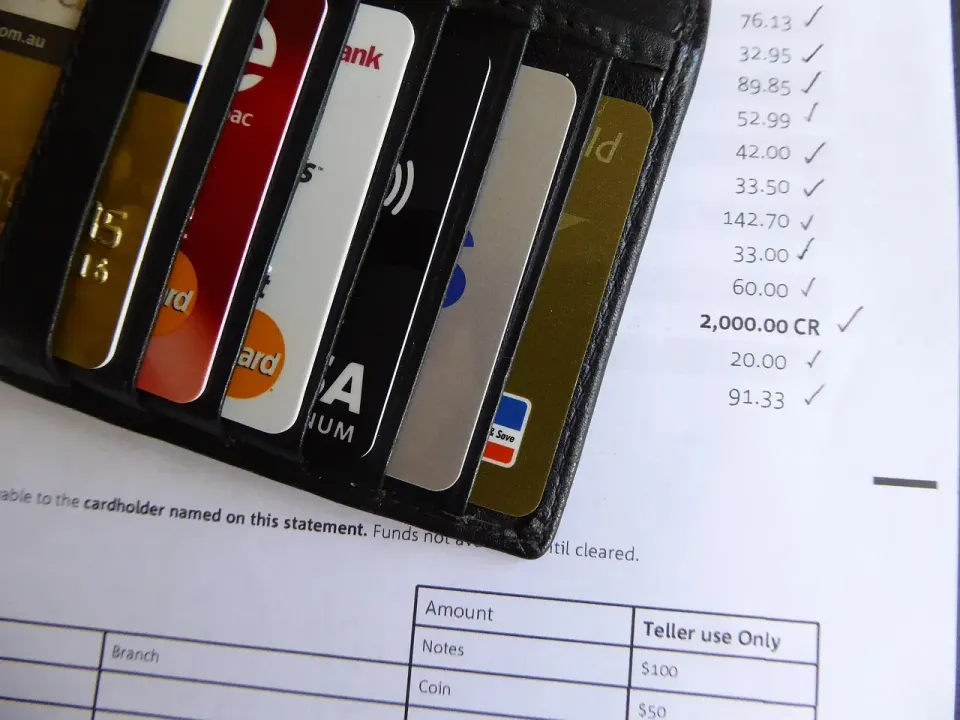
The old numbers were steep. The Financial Consumer Agency of Canada (FCAC) reports that banks charged about $45 to $48 per NSF occurrence before the change. Some banks also charged again each time a payee retried the same payment. That is how one failed rent debit could turn into two or three fees.
Here is a worked example. Your rent is $1,800 and the PAD runs on the 1st. Your account holds $1,650 that morning. Before March 2026, the bank fee alone was roughly $48. Under the new rules it is $10, and a retry on the 2nd cannot trigger another bank fee.
The scale explains the change. The FCAC estimates that NSF fees exceeded $1 billion in charges in 2025, the largest consumer cost among the account service charges it measured. Rent is often the biggest single debit in a month, so it is where a small shortfall does the most harm.
Two limits matter. The cap covers bank personal accounts, so it does not set what your landlord may charge. The FCAC also notes that most fintech providers do not charge NSF fees at all. They simply decline the payment, which still leaves your rent unpaid.
Can your landlord still charge a fee for a bounced rent payment?
Yes, in most provinces a landlord can still charge a fee, but the amount is limited. Ontario caps the administration charge for an NSF cheque at $20. British Columbia allows up to $25 if your tenancy agreement says so. Quebec limits payees to their actual bank costs.

In Ontario, the Landlord and Tenant Board instructions for Form L1 state that the Residential Tenancies Act, 2006 sets the maximum administration charge for an NSF cheque at $20 per cheque. A landlord may also claim the bank charges they paid for the returned payment. Ontario tenants already face rent growth, including Ontario's 2027 rent increase guideline of 1.9%, so even a $20 charge is worth avoiding.
In British Columbia, the Residential Tenancy Regulation allows an administration fee of not more than $25 for a returned cheque or late rent. The landlord must not charge it unless the tenancy agreement provides for that fee. Read your lease before you accept a fee notice.
Quebec works differently. The FCAC explains that Quebec generally limits dishonoured-payment fees charged by payees to the recovery of the actual bank charges they pay. Other provinces have their own rules, so check your provincial tenancy board if your lease names a larger fee.
Now compare the total cost for the $1,800 example. The table uses the upper end of the old bank range, about $48, and assumes the landlord charges the maximum.
| Province | Landlord limit | Old total | New total |
|---|---|---|---|
| Ontario | $20 per NSF cheque | About $68 | $30 |
| British Columbia | $25, if the lease says so | About $73 | $35 |
| Quebec | Actual bank charges only | Varies | $10 plus the landlord's real cost |
The savings are real but modest, about $38 per incident in Ontario. They add up if a tenant bounces more than once a year, which is common for people living paycheque to paycheque.
Does a bounced rent payment hurt your credit score?
A single bounced rent payment does not usually hurt your credit score by itself. An NSF fee is a bank charge, not a credit account, so it is not a late payment. The risk starts if the rent stays unpaid and the landlord sends the debt to a collection agency.

Consumer Protection BC explains that a credit report includes information on debts sent to collection agencies, along with bankruptcies and court judgments. That is the path from a missed rent payment to a credit file. A collection account can weigh on your score for years, which is far costlier than any $10 fee.
Landlords also look at credit files. The FCAC's credit report and score basics page lists landlords among the groups that may request your report when you apply to rent housing. A collection from a past tenancy can follow you to the next application.
The good news runs the other way too. Most landlords do not report rent to Equifax or TransUnion on their own. Paid-on-time rent is usually reported through a third-party service, and our guide to rent reporting in Canada in 2026 compares the options and costs.
Check your own file before you apply for a new place. Looking at your own report does not affect your score, and our piece on checking your credit report before your next lease shows what to look for. Dispute any collection you do not recognize.
How can you avoid a bounced rent payment?
You can avoid most bounced rent payments with three habits. Turn on low-balance alerts, line up your rent date with your pay date, and tell your landlord early if you will be short. Each one costs nothing and works with any bank.

Start with alerts. The FCAC says banks must send an electronic alert when a personal account balance falls below $100 by default, or below a threshold you set. The alert must also explain how to avoid fees and how much time you have to act. Set your own threshold a little above your rent amount in the days before it is due.
Next, check the timing. If your PAD hits on the 1st but your paycheque lands on the 3rd, you start every month short. Ask your landlord to move the debit date. Landlords often prefer a reliable payment on the 5th to a bounced one on the 1st, and our guide to negotiating rent in 2026 covers how to open that talk.
A small buffer helps as well. Leaving $100 to $200 in the account that pays your rent, and treating it as untouchable, absorbs the usual surprises like a delayed deposit or a subscription renewal. It is a boring habit, but it beats any fee refund.
Finally, call before the payment fails. A tenant who says on the 29th that the payment will be a few days late is in a better spot than one who says nothing. Put the new date in writing, such as a text or an email. A written record helps if a dispute reaches the tenancy board later.
If a payment has already bounced, act in this order:
- Deposit enough funds to cover the rent and any fees right away.
- Pay the landlord by e-transfer or certified method so a second failure cannot happen.
- Ask your bank whether the NSF fee was within the $10 cap.
- Check your lease for the fee clause before paying a landlord charge.
- Keep every message and receipt in one folder.
What should you do next after a bounced rent payment?
Treat the new cap as a cushion, not a plan. At realmilitaryflix, we recommend paying the rent first, then dealing with the fees. The cap cuts the bank's share of the damage, but the landlord's fee, the stress and the credit risk of unpaid rent are all still there.
Review your bank's fee schedule this month and confirm that it matches the $10 limit. Set the alert, check the PAD date and read the fee clause in your lease. Those three checks take about fifteen minutes and cover most of the risk.
Fact-checked as of November 7, 2026, against the government sources linked above. Rules and fees can change, so confirm the current amounts with your bank and your provincial tenancy board.
Is the $10 NSF fee cap the same at every Canadian bank?
Can my landlord charge me an extra fee for a bounced rent cheque?
Does a bounced rent payment show up on my credit report?
What is the fastest way to stop a bounced rent payment from happening again?
End of the story · 8 min
WAbout the writer
Owen Mackenzie
Credit reporter
Owen spent six years in consumer lending, reading credit files from the other side of the desk. He writes about how Canadian credit scores work, what moves them and what does not, in plain language. His rule for every piece is that a reader should be able to open their own Equifax or TransUnion report afterwards and understand each line on it. He is skeptical of quick credit fixes and prefers the slow, boring habits that actually show up on a file a year later.
5 more stories

✉The Friday Money Note
One money move,
every Friday.
One thing to do about your rent, credit or cards this week, and why. No ads, no noise.
Free. Unsubscribe in one click.