
Explainer Credit & rewards · holiday spending
Holiday Credit Card Spending in 2026: How to Shop Without Hurting Your Credit Score
Half of Canadian holiday shoppers plan to use credit cards this year. Here is what a holiday balance costs and how to keep your score and your January rent safe.
 Credit & rewards
Half of Canadian holiday shoppers plan to use credit cards this season, and national card balances reached $134.2 billion in the second quarter of 2026. You can protect your credit score by setting a spending cap, paying the full statement balance by the due date, and keeping your balance well below your limit.
This guide is for renters and first-time cardholders who want holiday credit card spending to stay under control. It covers the 2026 numbers, how card balances affect your credit report and what a holiday balance really costs. realmilitaryflix also looks at the January problem, when rent and card bills land in the same week.
What do the 2026 holiday spending numbers show?

A survey by CPA Canada found that 84% of Canadian holiday shoppers expect to spend the same or more than last year. Half plan to use credit cards, and the figure reaches 59% among young Canadians. The Retail Council of Canada says the average shopper plans to spend more than $900.
The starting point matters. Equifax Canada reports that national credit card debt reached $134.2 billion in the second quarter of 2026, up from $130.6 billion in the first. The 90-day delinquency rate on cards improved slightly to 4.19% from 4.28%, but it is still 6.8% higher than a year earlier.
The picture is mixed. Equifax found that 65% of consumers pay their card balance in full each month. In its consumer survey, 25% of respondents said they expect to make only minimum payments in the coming months, and 7% think they are likely to fall behind.
The same news coverage adds one more number. It cites Equifax data showing 37,523 consumer insolvency filings in the second quarter, the highest quarterly total since 2009. Cards are not the only cause, but they are part of the story.
How does holiday card spending affect your credit score?
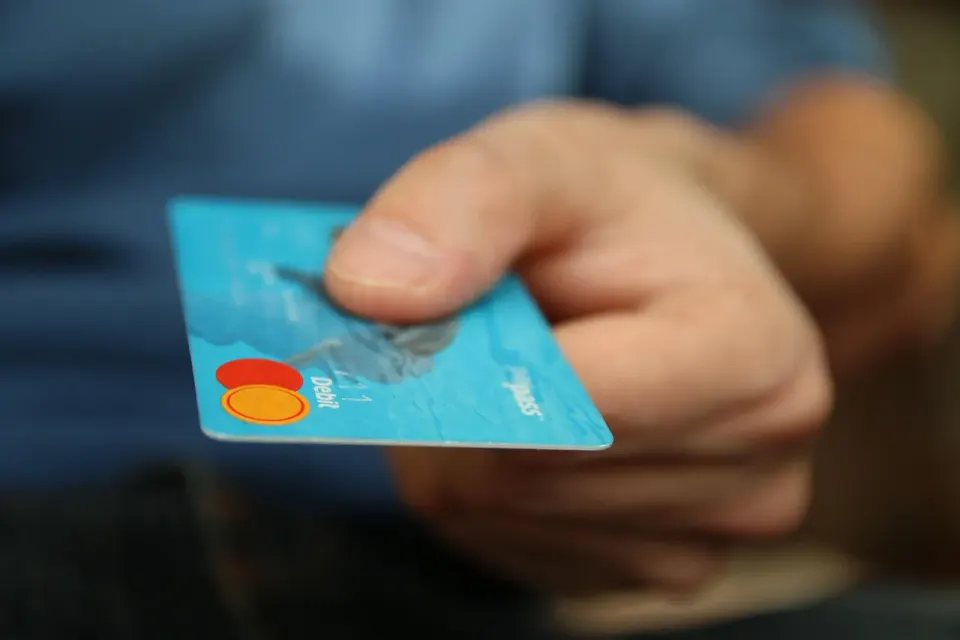
Paying on time matters most, and carrying a high balance can also pull your score down. The Financial Consumer Agency of Canada (FCAC) says that regularly making late payments or missing payments will hurt your credit score. Paying your balance every month shows lenders that you borrow responsibly.
A second factor is utilization, which is the share of your credit limit you are using. Credit bureaus and lenders look at it. A $900 holiday balance on a $3,000 limit is 30% utilization, while the same balance on a $1,500 limit is 60%.
Most issuers report your balance to Equifax and TransUnion around your statement date. That means a balance you clear before the statement closes may never show up as high. Check your own statement date, then check your report, because the timing varies by issuer.
New cards add one more risk. Each application can trigger a credit check, and a pile of new store cards in December can leave a mark. A single application with a clear plan is safer than three impulse sign-ups at the till.
Do not expect a quick fix after the fact. A missed payment stays on a credit file for years, while a high balance fades as soon as you pay it down. Avoid the missed payment first.
What does a holiday balance actually cost you?
A holiday balance costs the interest on it, which starts the day you buy once you miss the due date. FCAC explains in its guide to how credit cards work that federally regulated issuers must provide a grace period of at least 21 days. You avoid interest on purchases only if you pay the full balance by the due date.
Here is a worked example. Suppose you put $900 on a card charging 19% on purchases, the example rate FCAC uses. If you repay it over six months, the payment is about $158 a month, and the interest comes to about $50. Over twelve months, the payment drops to about $83, but the interest rises to about $95.
The minimum-payment trap is bigger. FCAC publishes a table for a $2,000 balance at 18%, shown below.
| Payment plan | Monthly payment | Time to pay off | Interest paid |
|---|---|---|---|
| Minimum only | $60 | 3 years, 11 months | $793 |
| Minimum plus $100 | $160 | 1 year, 2 months | $231 |
The extra $100 a month saves $562 in interest and almost three years of payments. Small increases matter more than most people expect, so raise your payment even if you cannot clear the balance.
How do you set a holiday card budget before you shop?

Set the cap first, then decide how you will pay it off. A budget with a payoff date turns a vague plan into a number you can check. The steps below run in order.
- List everyone you buy for and set a dollar limit for each person.
- Add the totals and compare them with what you can pay off by the due date.
- Choose one card and find its statement date and due date.
- Turn on alerts so every purchase shows up on your phone.
- Check your balance weekly through December.
- Schedule a payment for the full statement balance before the due date.
Treat the cap like a bill. If the total is $900, move $900 of your pay aside across November and December. A card then becomes a tool for timing, not for borrowing.
Keep a buffer, too. Shipping, wrapping and an extra dinner add up faster than most people plan for. A small margin beats a surprise on the January statement.
How do January rent and holiday debt collide?
For renters, the squeeze lands on the first of the month. Rent is due on January 1, and the card statement for December purchases arrives within weeks. If both come due together, a card payment can crowd out the rent.
Protect the rent first. A failed payment can trigger fees and an awkward conversation with a landlord, and our guide to the $10 NSF cap on bounced rent payments explains what changes if it happens. Put January rent in a separate account before you spend a dollar on gifts.
Rent can also help your credit if it is reported. Our overview of rent reporting and the credit bureaus shows which services pass payments to Equifax and TransUnion, and what they cost. On-time rent plus a low card balance is a strong pair on a thin file.
Interest rates add pressure too. Our explainer on the Bank of Canada's 2.5% rate and renters' credit covers how higher borrowing costs reach lines of credit and cards. A variable-rate balance gets more expensive when rates move up.
Should you use store cards, buy now pay later or points?
Use them only if they fit the cap you have already set. Store cards often charge higher interest than regular cards, and FCAC notes that rates on specialized and retail cards may be higher. A discount at the till is not worth a balance that costs more to carry.
Instalment plans deserve a careful look. FCAC says that some issuers let you turn qualifying purchases into instalment plans, and that you should understand the pros and cons first. Read the fees and the end date before you agree.
Surcharges are another cost. FCAC says merchants may add a surcharge for paying by credit card, except in Quebec, and your purchase may cost up to 2.4% more. They must tell you before they process the payment, so you can switch to debit.
Rewards points are a bonus, not a reason to spend. A 2% reward on a $900 purchase is $18, which is about one month of interest on a $1,100 balance at 19%. Chase points only with money you were going to spend anyway.
What should you do if you already carry a balance?
Pay more than the minimum, and stop adding new purchases to that card if you can. FCAC says the minimum is typically a flat $10 plus interest and fees, or the higher of $10 or about 3% of the balance. In Quebec, the minimum has been 5% since August 1, 2025.
Make a short list of what you owe, with each rate and each due date. Pay the minimum on all of them and send every spare dollar to the highest-rate card. When one is gone, roll its payment into the next.
Call your issuer if you are slipping. Ask about hardship options before you miss a payment. If the balance feels unmanageable, a non-profit credit counsellor can review your budget for free or at low cost. This is general information, not personal financial advice.
Conclusion: shop with a payoff date, not a hope
Holiday credit card spending is not a problem on its own. The problem is a balance with no plan, set against a January full of bills. Pay on time, keep your balance low and protect your rent.
Your next step is to set your cap today and find your card's due date. realmilitaryflix will keep covering the numbers behind Canadian credit, so you can check your own report and understand each line on it.
How much do Canadians plan to put on credit cards this holiday season?
Will holiday credit card spending hurt my credit score?
How long is the interest-free grace period on a credit card?
What happens if I only pay the minimum on a holiday balance?
End of the story · 7 min
WAbout the writer
Owen Mackenzie
Credit reporter
Owen spent six years in consumer lending, reading credit files from the other side of the desk. He writes about how Canadian credit scores work, what moves them and what does not, in plain language. His rule for every piece is that a reader should be able to open their own Equifax or TransUnion report afterwards and understand each line on it. He is skeptical of quick credit fixes and prefers the slow, boring habits that actually show up on a file a year later.
7 more stories→ Keep reading
More from
Credit & rewards.


✉The Friday Money Note
One money move,
every Friday.
One thing to do about your rent, credit or cards this week, and why. No ads, no noise.
Free. Unsubscribe in one click.